Sewer Line Repair & Replacement in Toronto
Multiple slow drains, recurring backups, sewer odours, or unexplained wet ground can point to a problem in the main sewer line. Water Guard Plumbing diagnoses the pipe before recommending cleaning, a targeted repair, trenchless work, or conventional replacement.
Serving Toronto and the GTA since 2012, the team provides a project-specific scope based on the defect, pipe condition, access, municipal requirements, and restoration involved.
- Camera-led diagnosis
- Repair and replacement options
- Toronto and GTA service
Signs That Need More Than a Basic Drain Cleaning
One slow fixture may be a local blockage. Several symptoms appearing together or returning after cleaning can justify a closer look at the building sewer.
Several Slow Drains
Sinks, tubs, showers, or floor drains slowing at the same time may indicate a restriction farther down the shared line.
Recurring Backups
A blockage that repeatedly returns can point to roots, a damaged joint, poor alignment, or another unresolved condition.
Gurgling or Air Movement
Gurgling toilets and drains can occur when wastewater and air cannot move normally through the drainage system.
Sewer Odours
Persistent sewage smells indoors or around the property deserve investigation, particularly when they accompany slow drainage.
Wet or Sunken Ground
Unexplained soft soil, settlement, or wet areas near the service route can be associated with an underground leak or break.
Roots or Pipe Debris
Roots, clay fragments, corrosion, or standing water visible during inspection can help identify the failure and its location.
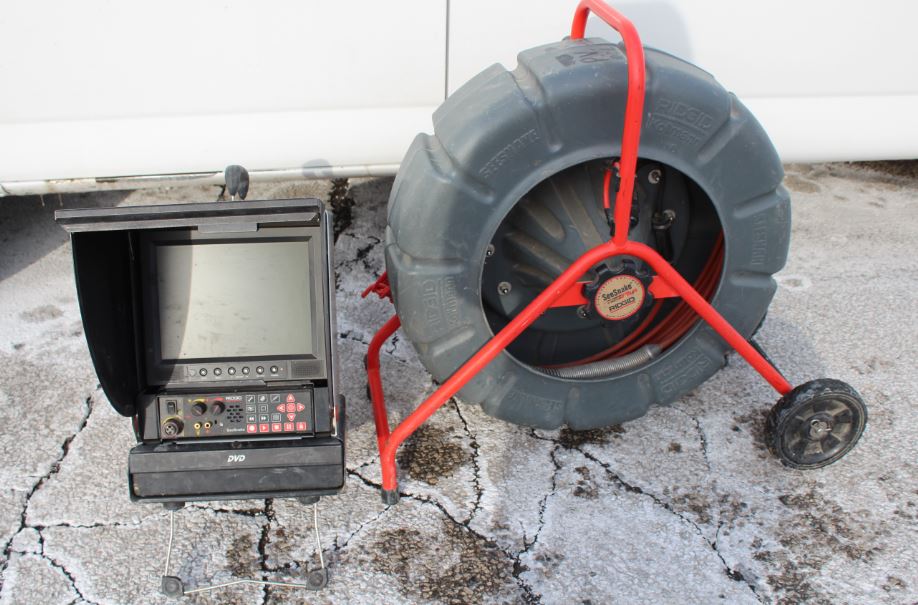
What a Sewer Assessment Should Establish
A drain camera inspection, locating equipment, available cleanouts, and the property layout can help separate a removable obstruction from structural damage.
- The location and approximate depth of the affected section
- The existing pipe material, diameter, joints, and visible condition
- Whether the issue is a blockage, crack, offset joint, root intrusion, belly, or collapse
- The length of pipe involved and whether a localized repair is realistic
- Access limits, excavation route, municipal steps, and restoration requirements
Inspection evidence should guide the recommendation. One symptom or one generic price range is not enough to select a reliable repair.
Targeted Repair, Trenchless Work, or Replacement?
The least disruptive option is not automatically the correct one. The pipe must be suitable for the chosen method and the finished line must provide dependable flow.
Localized Sewer Repair
A short, accessible defect may be repaired without replacing the entire service line. The repair still needs stable pipe on both sides and workable access.
Best considered when: damage is isolated and the remaining line is in serviceable condition.
Trenchless Sewer Work
Lining or another trenchless approach may reduce excavation and surface restoration when the pipe, alignment, access points, and surrounding conditions allow.
Best considered when: the existing route is suitable and minimizing disturbance has clear value. Explore trenchless repair.
Conventional Replacement
Open excavation may be required for a collapse, severe misalignment, inaccessible defect, or a longer deteriorated section that cannot be repaired reliably in place.
Best considered when: direct access provides the most dependable way to remove and replace failed pipe.
Our Sewer Repair Process
A clear process gives the homeowner decision points before work begins and documents what is being repaired.
Review the Problem
Discuss symptoms, prior cleaning or repairs, available cleanouts, access, and affected fixtures.
Inspect and Locate
Use appropriate diagnostic tools to examine the line and identify the affected area where conditions allow.
Explain the Options
Compare cleaning, localized repair, trenchless work, and excavation against the actual findings.
Complete the Work
Carry out the approved scope, including applicable access, municipal, and site-protection requirements.
Check and Close
Verify the completed line, address required inspections, backfill opened areas, and clean the work zone.
Already Have Camera Footage or Another Quote?
Share the available information so the defect, proposed method, access, and restoration scope can be reviewed together.
What to Compare Before Approving Sewer Work
Recent Toronto homeowner threads and broader plumbing discussions focus on proof, total scope, and long-term value. The posts are anecdotal, but the questions are useful.
Ask for the location, pipe material, affected length, and visible evidence before approving replacement.
Root cutting or hydro jetting may restore flow temporarily, but cracked or separated pipe may still need structural work.
Ask why lining, a localized repair, or excavation is suitable for the condition and alignment shown in the inspection.
Confirm diagnosis, access, permits, repair, backfill, cleanup, and surface restoration rather than comparing headline totals.
Discuss follow-up checks and practical steps that may help prevent sewer backups.
Confirm where the defect sits, who owns that portion, and what the property insurance or service-line coverage actually includes.
A forum price is not a diagnosis. Depth, access, pipe condition, municipal requirements, and restoration can materially change the method and total project cost.
Sewer Line Repair Cost in Toronto
No single flat price applies to every underground sewer problem. A responsible estimate follows the available evidence and the agreed scope.
The final cost depends on more than the length of pipe. Two properties with similar symptoms can require different access, repair methods, municipal steps, and restoration.
- Location and depth of the defect
- Pipe material and diameter
- Length and type of failure
- Equipment and property access
- Repair or replacement method
- Permits and inspections
- Concrete, flooring, or driveway work
- Landscaping and site restoration
What the Estimate Should Clarify
The scope should identify the proposed method, access points, excavation limits, municipal requirements, backfill, cleanup, and which restoration items are included. Ask whether earlier camera, cleaning, or hydro-jetting charges apply toward the approved repair.
Frequently Asked Questions
Clear answers to the cost, repair-method, timing, and do-it-yourself questions homeowners commonly search before hiring a sewer contractor.
How much does sewer line repair cost in Toronto?
The price depends on the location and depth of the pipe, the affected length, the type of damage, access conditions, the repair method, permits, and surface restoration. An on-site assessment and, where appropriate, a camera inspection are needed before an accurate estimate can be prepared.
How do I know whether the sewer line needs repair or replacement?
A localized crack, joint failure, or damaged section may be repairable. Replacement may be recommended when the pipe has collapsed, has extensive deterioration, cannot maintain proper flow, or has a history of repeated failures. The decision should be based on inspection evidence and site conditions.
Is it possible to replace a sewer pipe without digging?
Sometimes. Trenchless methods can reduce excavation when the existing pipe, alignment, access, and surrounding conditions are suitable. Conventional excavation may still be required for certain collapses, alignment problems, or locations that cannot be repaired reliably from limited access points.
Are permits required for sewer line repair in Toronto?
Permit and inspection requirements depend on the location and scope of the work. Water Guard Plumbing identifies the municipal steps that apply to the proposed project and obtains required permits when they are included in the approved scope.
Can I repair a sewer line myself?
An underground main-line repair is not a practical do-it-yourself project. Confirming the defect may require camera and locating equipment, while excavation, pipe work, inspections, and restoration can involve safety and municipal requirements. A simple fixture or branch-drain blockage is a different problem and should not be used to diagnose a damaged sewer line.
What is the best way to repair a broken sewer pipe?
There is no single best method for every property. A short, accessible defect may suit a localized repair; a structurally suitable line may qualify for lining or another trenchless method; and a collapsed or badly aligned pipe may require excavation and replacement. The best method is the one supported by the inspection findings and site conditions.
How often should a sewer line be replaced?
Sewer lines do not have a universal replacement schedule. Pipe material, age, joints, soil movement, roots, installation quality, and recurring failures all affect service life. Replacement should be based on documented condition and performance, not age alone.
Is relining a sewer pipe worth it?
Relining can be worthwhile when it creates a reliable repair while reducing excavation and surface restoration. It is not automatically suitable for every line: severe collapse, poor alignment, access limits, or other conditions may rule it out. Compare the expected service result, warranty, disruption, and total restoration cost with conventional replacement.
Get a Clear Sewer Repair Plan
If your property has recurring drain backups, sewer odours, several slow drains, or suspected underground pipe damage, contact Water Guard Plumbing for an assessment across Toronto, Mississauga, Oakville, Hamilton, Burlington, and the GTA.