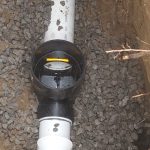
What Is a Backwater Valve, and Why Do You Need One?
A backwater valve, sometimes called a backflow preventer, is installed on the main sewer line to help stop wastewater from flowing back into your home during heavy rainfall or a municipal sewer overload.
Key reasons to install a backwater valve:
- Help prevent raw sewage from flooding the basement
- Reduce costly damage to flooring, walls and belongings
- Protect finished or rented basement spaces
- Support a complete basement flood-protection plan
15+ Years
Local drain and water-service experience
Licensed & Insured
Professional, code-conscious installation
Clean Installation
Careful excavation, testing and restoration
Lifetime Warranty
Long-term confidence in completed work
When Should a Toronto Homeowner Consider a Backwater Valve?
A camera inspection and plumbing assessment are the best ways to confirm whether a valve is suitable and where it should be installed.
01
Previous sewer backup
Dirty water or sewage has risen through a basement floor drain, toilet or another low fixture.
02
Finished or rented basement
A backup could damage flooring, drywall, furniture, equipment and personal belongings.
03
Older drainage system
Building traps, clay pipe or older drain layouts can affect flood risk and valve placement.
04
Neighbourhood flood history
Nearby properties have experienced sewer backups during storms or system overloads.
05
Basement renovation planned
Flood-protection work is easier to plan before investing in new finishes.
06
Insurance or inspection advice
An insurer, plumber or home inspector has recommended sanitary sewer protection.
How Our Backwater Valve Installation Works
We manage the process from the first assessment to testing, inspection support and cleanup.
- On-site evaluation by licensed plumbers
- Camera inspection of the sewer line to confirm condition and placement
- Permit coordination for eligible Toronto installations
- Controlled excavation and interior or exterior valve installation
- System testing and required municipal inspection
- Backfill, restoration and maintenance guidance
Whether the system needs an interior valve below the basement floor or an exterior unit outside the home, Water Guard explains the recommended approach before work begins.
Our Six-Step Installation Process
A clear process keeps the project organized and helps avoid surprises.
STEP 1
Assessment
We review backup history, plumbing layout, access and the areas requiring protection.
STEP 2
Camera inspection
The main drain is inspected to confirm pipe direction, depth and condition.
STEP 3
Scope and quote
You receive a clear recommendation, pricing information and project plan.
STEP 4
Permit coordination
Required permit and inspection steps are planned before the valve is covered.
STEP 5
Installation and testing
The valve is installed, tested and left accessible for future maintenance.
STEP 6
Restoration and guidance
The work area is restored and the homeowner receives operating and maintenance guidance.
Interior vs. Exterior Backwater Valve Installation
The correct location depends on the property, sewer layout, depth, access and the drains that need protection.
Interior Installation
The valve is installed below the basement floor on the main building drain.
- Common for many residential retrofits
- Keeps inspection and maintenance access indoors
- Requires controlled concrete removal and restoration
- Placement is confirmed by camera inspection
Exterior Installation
The valve is installed outside between the building and the municipal sewer connection.
- Useful when the sewer layout supports exterior access
- May avoid opening finished basement flooring
- Depth, utilities and landscaping affect complexity
- Excavation and restoration depend on site conditions
Property-specific pricing
How Much Does Backwater Valve Installation Cost?
Many residential installations in Toronto range between $2,000 and $3,500 before any eligible subsidy. An exact quote requires an assessment because each drain layout and access condition is different.
Factors that affect the final price
- Interior or exterior installation location
- Depth and condition of the main sewer line
- Presence and location of a building trap
- Concrete, landscaping or finished-floor restoration
- Access restrictions and required plumbing changes
- Number and type of valves required
Get an instant estimate
Backwater Valve Calculator
Answer the property questions below. Water Guard will confirm the final scope after inspecting the drain.
Toronto Basement Flooding Subsidy
Up to 80% of Eligible Cost
For eligible work completed on or after November 12, 2025, the City of Toronto offers up to 80% of the invoiced cost, capped at $1,600 per backwater valve for a maximum of two devices.
Important application requirements
- Obtain a building permit before installing the backwater valve
- Request an inspection and do not cover the valve before inspection is complete
- Use a contractor with a valid City of Toronto business licence
- Keep itemized, paid-in-full electronic invoices
- Meet all City eligibility and property requirements
Backwater Valve Maintenance
A backwater valve must remain accessible and clean so the flap, gate and sealing surfaces can move freely.
- Inspect and clean the device according to the manufacturer’s instructions
- Remove debris from the flap, hinge and sealing area
- Keep the access cover visible and easy to reach
- Arrange an inspection after a known activation or sewer backup
- Do not use plumbing fixtures while the valve is closed
Backwater Valve vs. Sump Pump
These systems address different flooding risks. Some properties benefit from both.
| System | Main purpose | Protects against | Important limitation |
|---|---|---|---|
| Backwater valve | Closes the building sewer during reverse flow | Sanitary sewer backup | Plumbing should not be used while the valve is closed |
| Sump pump | Pumps collected groundwater away from the foundation | Groundwater and weeping-tile drainage | Requires power and a suitable discharge location |
Learn more about sump pump installation or request an assessment to identify which measures suit the property.
What Water Guard Customers Say
Read recent customer feedback about Water Guard Plumbing services.


Related Basement Flood-Protection Services
The services most closely connected to sewer backup and basement flooding prevention.

Sump Pump Installation
Remove collected groundwater and help keep the basement dry.

Backup Sump Pump
Maintain protection during outages or primary-pump failure.

Weeping Tile Installation
Improve foundation drainage and direct groundwater to the sump system.

Sewer Line Repair
Repair damaged sewer piping that contributes to backups and drainage problems.
Backwater Valve Projects
Recent Backwater Valve Work and Media
Backwater valve installations, connections, mechanisms and educational media from Water Guard Plumbing.
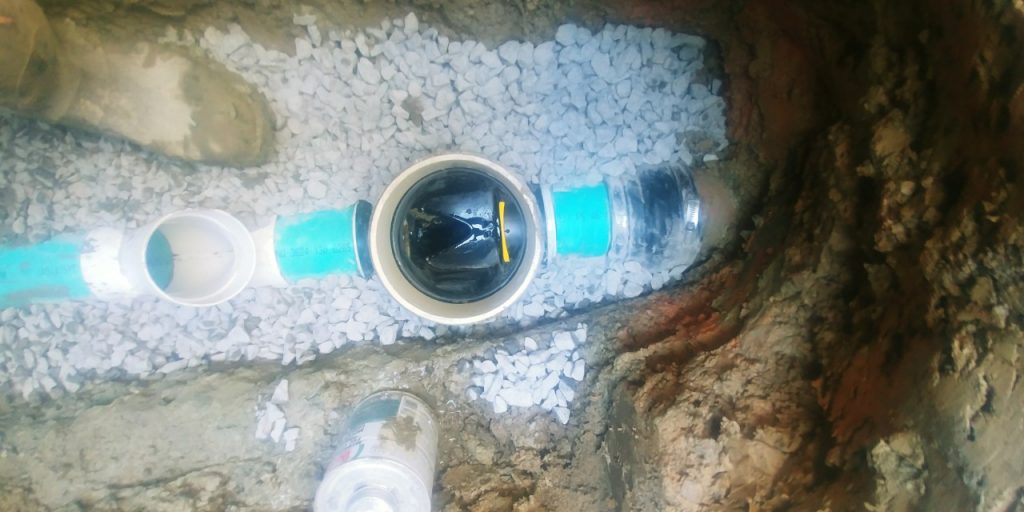
Completed Valve Installation
Installed valve positioned for inspection, testing and future access.
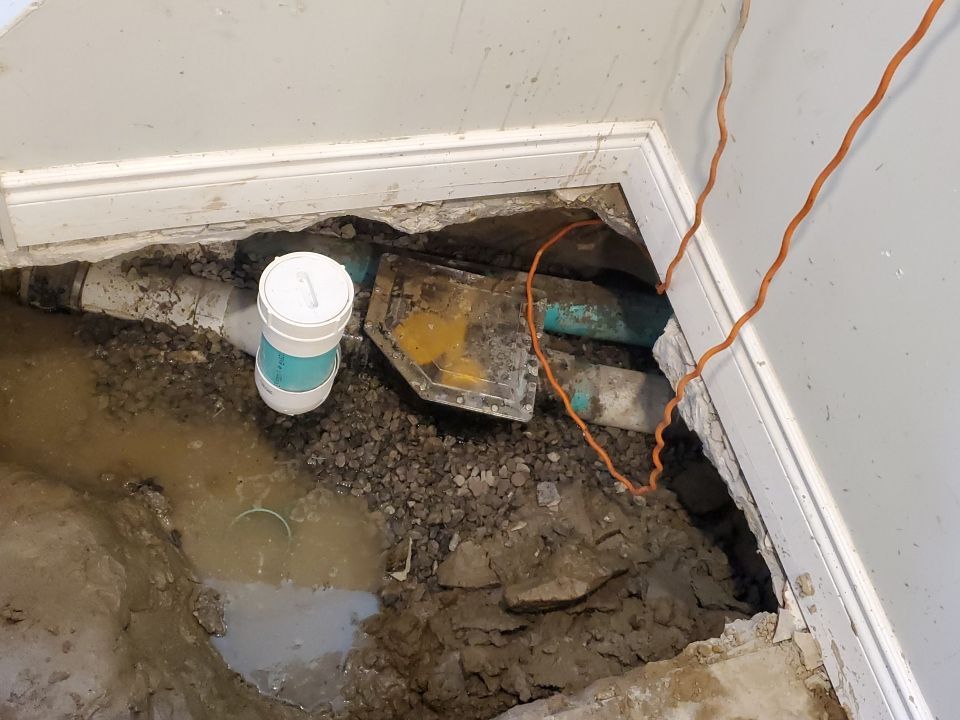
New Sewer Line Connection
Backwater valve connected as part of coordinated sewer-line work.
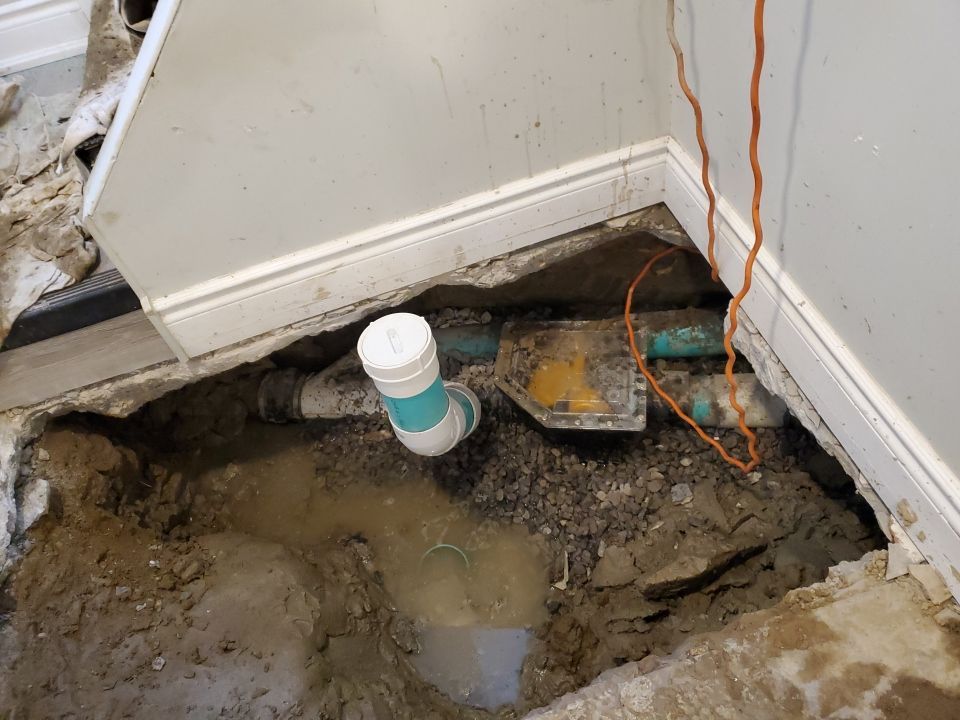
Valve-to-Pipe Connection
Close view of the valve connection before testing and restoration.
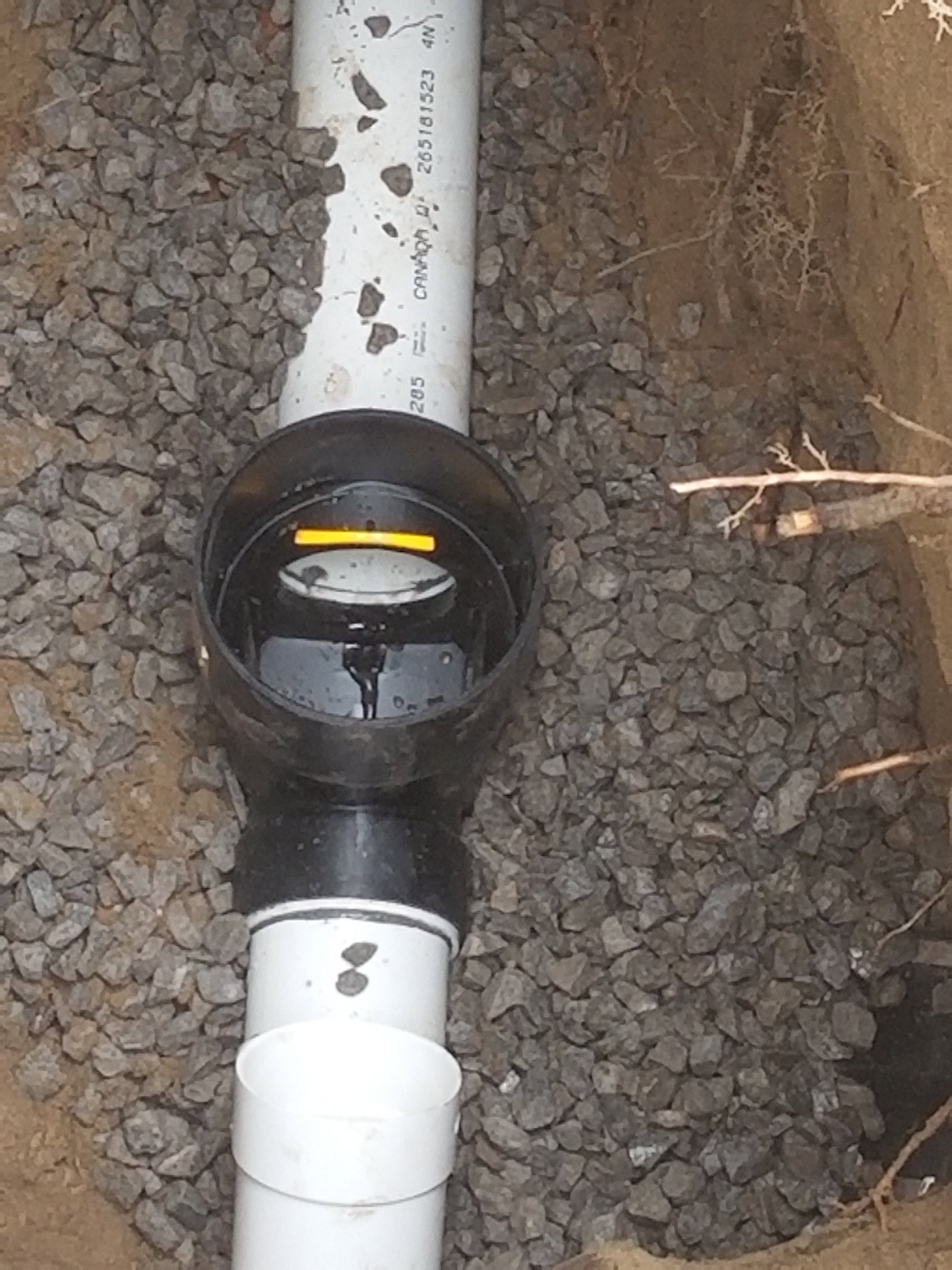
Exterior Valve Access
Accessible installation designed to support future inspection and cleaning.
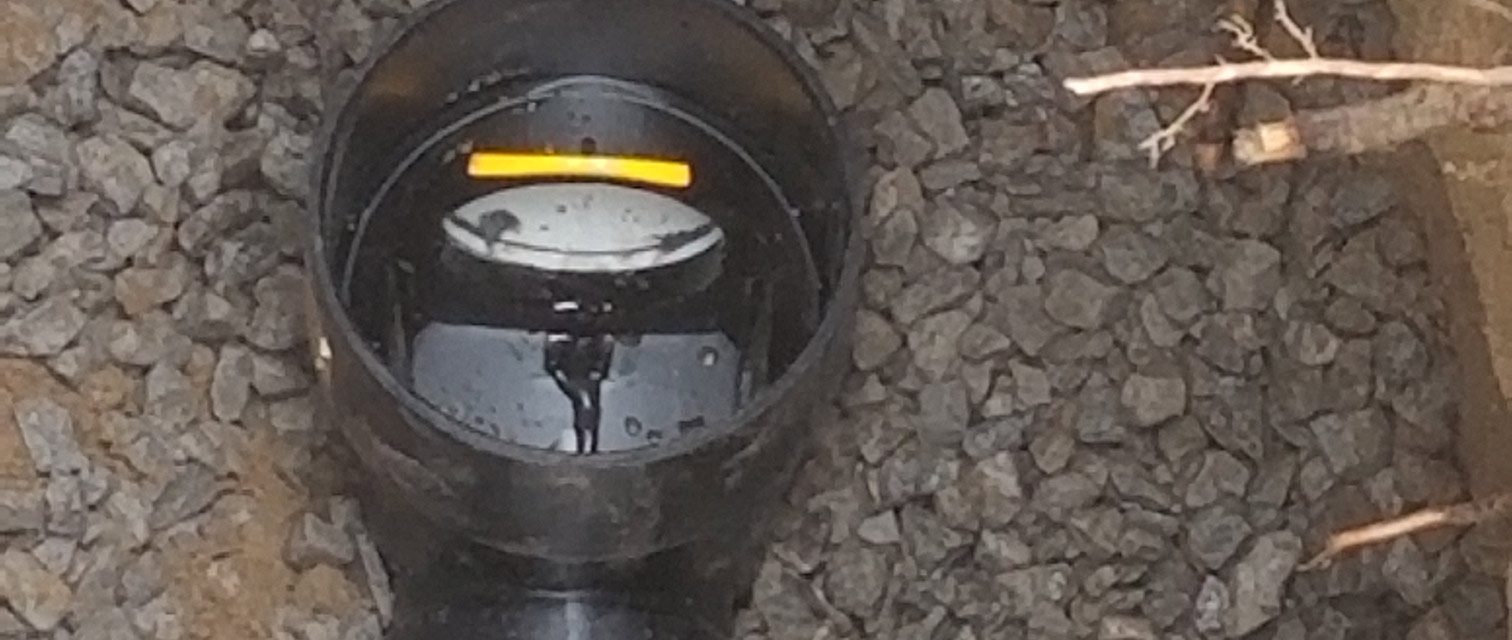
Valve Mechanism
The accessible chamber allows the flap and sealing surfaces to be maintained.
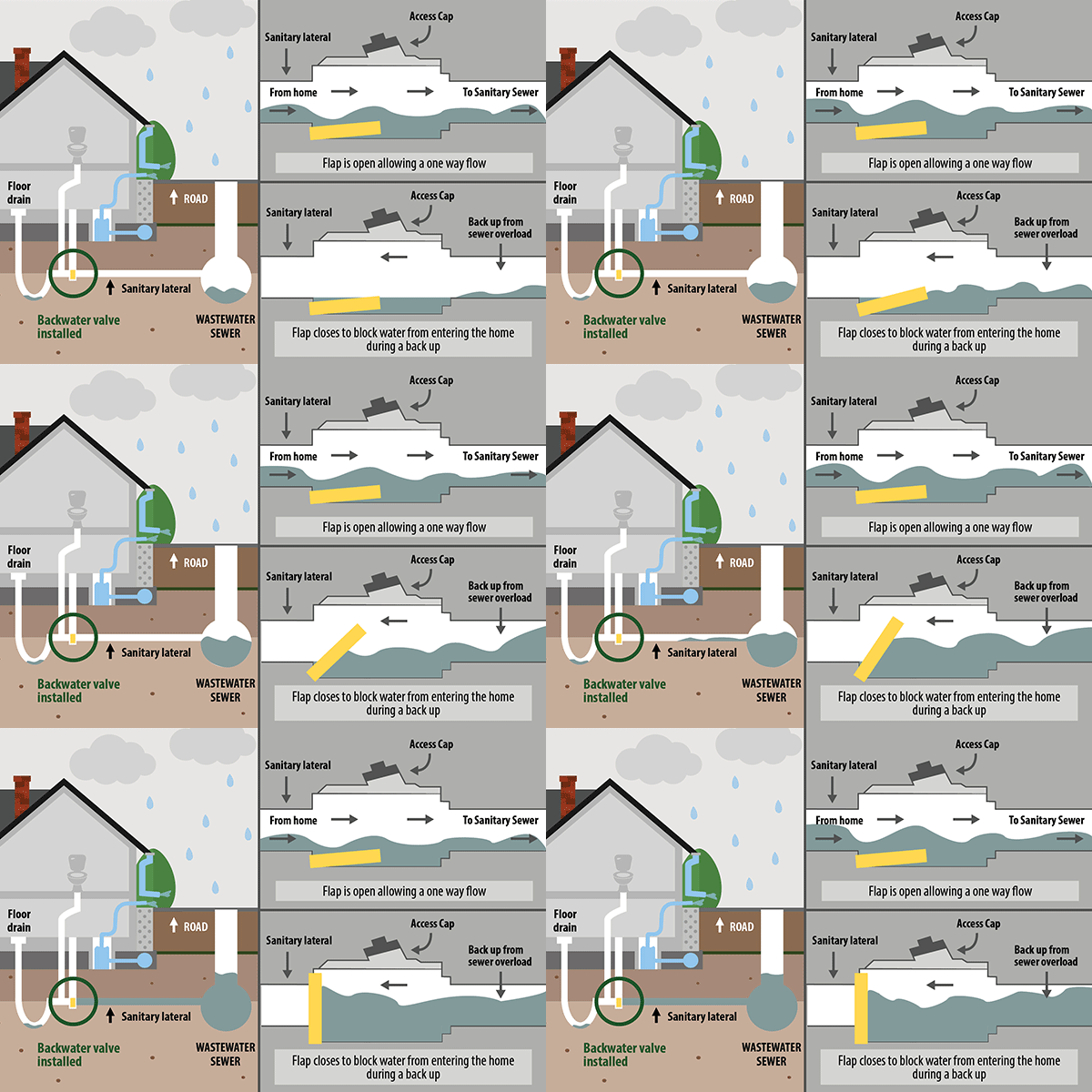
How the Valve Works
A visual explanation of normal drainage flow and automatic backup protection.
Call a Toronto Plumber You Can Rely On
Water Guard inspects the problem, explains the options and completes the work with care. Request a free, no-obligation quote for backwater valve installation and related drain services.
Backwater Valve FAQs
Answers to common questions about installation, permits, maintenance and flood protection.
How much does it cost to install a backwater valve in Toronto?
Many residential installations range from $2,000 to $3,500 before an eligible subsidy. Sewer depth, location, building traps, access, pipe condition and restoration requirements affect the final quote.
How long does backwater valve installation take?
Many straightforward installations can be completed within one working day. Deep excavation, damaged drains, difficult access or inspection scheduling may extend the timeline.
Do I need a building permit in Toronto?
A building permit is required when applying for the City of Toronto backwater valve subsidy. The valve must remain uncovered until the required inspection is completed.
Can Water Guard help with the Toronto subsidy process?
Water Guard can coordinate permit and inspection steps and provide available project documentation. Final eligibility and payment are determined by the City of Toronto.
Can I use plumbing fixtures while the valve is closed?
No. Avoid toilets, sinks, showers, washing machines and dishwashers while the valve is closed because wastewater cannot leave through the blocked building drain.
Does a backwater valve need maintenance?
Yes. Keep the device accessible and inspect and clean the flap, hinge, seal and chamber according to the manufacturer’s instructions and after a known activation.
Trust Water Guard Plumbing Professionals
Water Guard has over 15 years of experience with water and drain projects across the GTA. Every property is assessed individually so the team can explain the problem, recommend an appropriate solution and complete the work as efficiently as possible.
Call 647-832-1738 or send your question online for a free, no-obligation quote.